

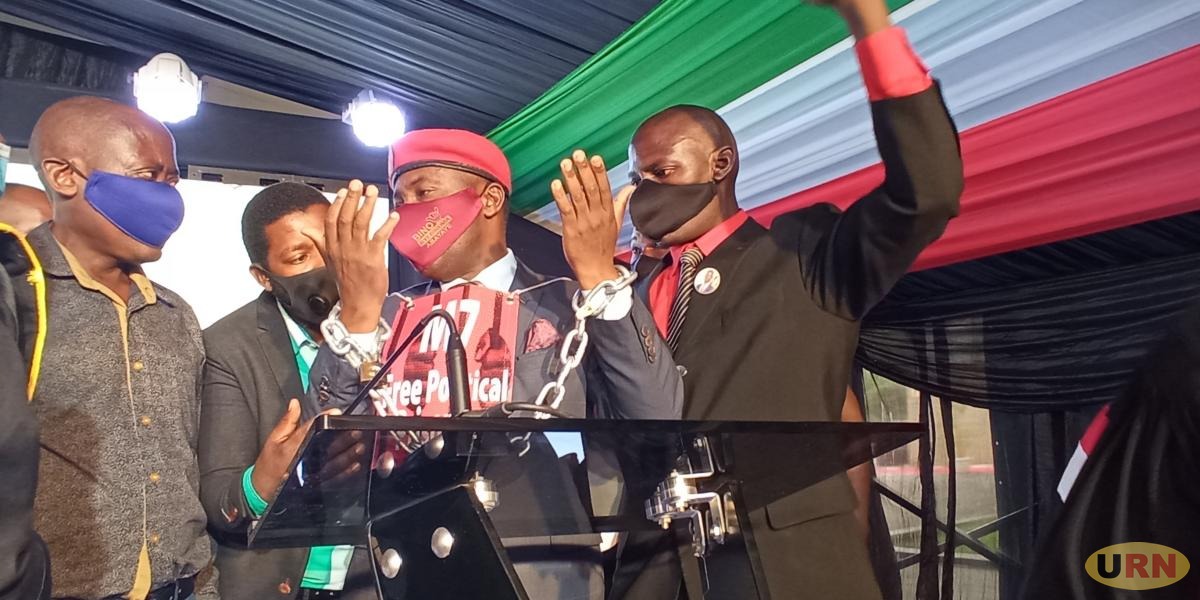
Kampala Capital City Authority will on Wednesday, May 20, hold a largely virtual swearing-in ceremony for newly elected leaders as part of efforts to prevent the spread of Ebola in Uganda.
According to KCCA Deputy Executive Director Benon Kigenyi, only invited guests will be allowed to attend physically, with strict public health guidelines issued by the Ministry of Health Uganda set to be enforced throughout the ceremony.
Under the arrangements, each councillor-elect will only be allowed to attend with two invited guests, while the Lord Mayor-elect will be permitted a maximum of nine guests.
“Invited guests are only two people accompanying every councillor, and these will have a card signed off by the Executive Director. No other forms of invitations will be allowed because this will help us keep the exact number invited,” Kigenyi said.
He added that access to the venue will be tightly controlled, with mandatory temperature screening and strict enforcement of public health measures.
“We strongly encourage every invited guest to comply with the guidelines. There will also be restricted access to the ceremony, with mandatory temperature checking, social distancing and avoidance of physical contact including handshakes as we work with the Ministry of Health to prevent Ebola,” he added.
The largely virtual ceremony is one of several precautionary measures institutions are adopting to minimise large gatherings while ensuring official government business continues uninterrupted.
At the weekend, President Museveni cancelled Martyrs Day celebrations which was due on June 3 over the Ebola threats.
The decisions come amid heightened concern over the Ebola situation in Uganda and neighbouring Democratic Republic of the Congo. At least two people have been diagnosed with the haemorhagic fever in Uganda including the first victim who died from Kibuli Hospital in Kampala last week.
In DR Congo, more than 30 people have succumbed to the highly contagious disease while an American doctor who had been working in Congo has been evacuated to Germany for treatment and monitoring after contracting Ebola.
The World Health Organization has already declared it a Public Health Emergency of International Concern.
Ebola is a severe and highly infectious viral disease that spreads through direct contact with the bodily fluids of an infected person, including blood, sweat, saliva, vomit and urine, as well as contaminated objects such as bedding or medical equipment.
The disease can also spread through handling infected animals or through unsafe burial practices involving contact with the body of a victim.
Symptoms usually begin with sudden fever, fatigue, headache, muscle pain and sore throat before progressing to vomiting, diarrhoea, stomach pain and, in severe cases, internal or external bleeding.
Ebola is feared because of its high fatality rate, which has ranged from about 25 percent to as high as 90 percent in past outbreaks depending on the strain and quality of medical care, although many outbreaks average around 50 percent mortality.
There is no universally approved cure for all strains, but early treatment, supportive care, isolation of patients and strict infection-control measures significantly improve survival chances.
Prevention efforts include regular handwashing, avoiding physical contact with infected persons, safe burial practices, screening at borders and public gatherings, use of protective gear by health workers and rapid contact tracing to contain outbreaks.
